
Calm, reliable studio workflows for news and live shows
From the first cable run to the final live rundown, we help broadcasters, production companies and venues build studios where crews know what comes next and the output stays steady.

Founded2011
Based in Norwich
What we do in the studio
-
Studio Equipment Setup
We plan the floor and gallery layout, install and test cameras, vision mixers, monitoring and cabling, then run a rehearsal check so faults surface before the first live day, not during it.
-
Camera Operation Coaching
Practical sessions on the studio floor for camera operators: framing, pedestal moves, teleprompter work and calling live shots. Daniel builds each session around your set and your programme format.
-
Lighting Design
Lighting plans for news desks, interview sets and live shows that balance the look on screen with power draw and the time your crew has to rig and reset. Priya also trains staff to maintain the rig.
-
Sound and Audio Workflow
Microphone choice and placement, mixing desk layout and talkback routing, so dialogue stays clear when a live programme gets busy. Tom works from your room and your presenters, not a generic template.
-
Live Show Workflow Review
A written review of your gallery, rundown and crew communication. Helen watches a rehearsal or live show and returns practical changes, ordered by effort, for smoother live output.
The principles behind every studio we advise on
A live studio leaves little room for guesswork. Crews work under time pressure, and small confusions in a rundown or a cable label can cost a segment. Our approach comes from fifteen years of working with studio teams in and around Norwich, and it shapes how we plan, write and train.
Clarity
Clarity means every plan is written so a new crew member can follow it. Signal flow diagrams, rundown notes and lighting plots use plain labels and a consistent order. We explain why a change is suggested, and we say what it will cost in crew time, so decisions are easy to make.
Reliability
Reliability means testing before trusting. We check each camera, feed and talkback line under realistic conditions, and we favour a simple setup that works every day over a clever one that needs its designer present. Rehearsal time is treated as part of the installation.
Craft
Craft shows in the details: a clean pedestal move, a microphone placed just outside the shot, a key light that flatters without glare. Our team has worked in studio galleries and on floors, and we pass on habits that experienced crews use without thinking about them.
Picking the right starting point for your studio
Not every studio needs the same help first. These three routes cover the most common situations we see, and each can lead on to the others once the first piece of work is done.
-
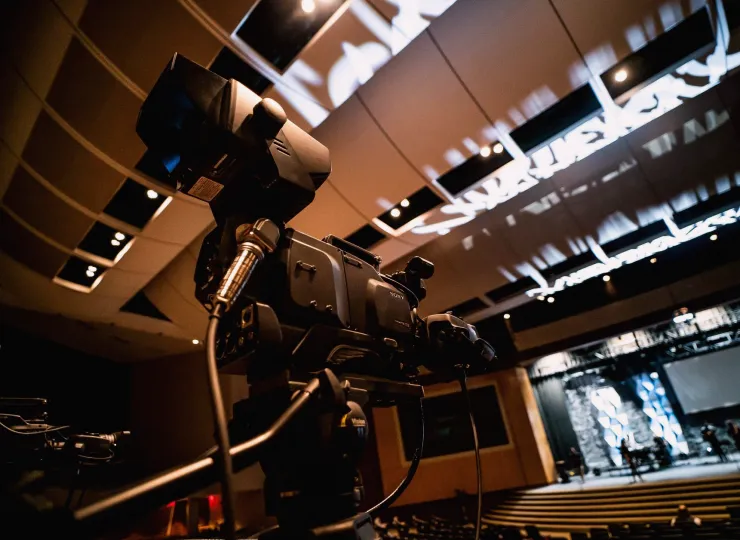
Building or refitting a studio
Start with equipment setup when cameras, mixers and monitoring are new or being moved, so the technical base is sound before anyone goes live.
-
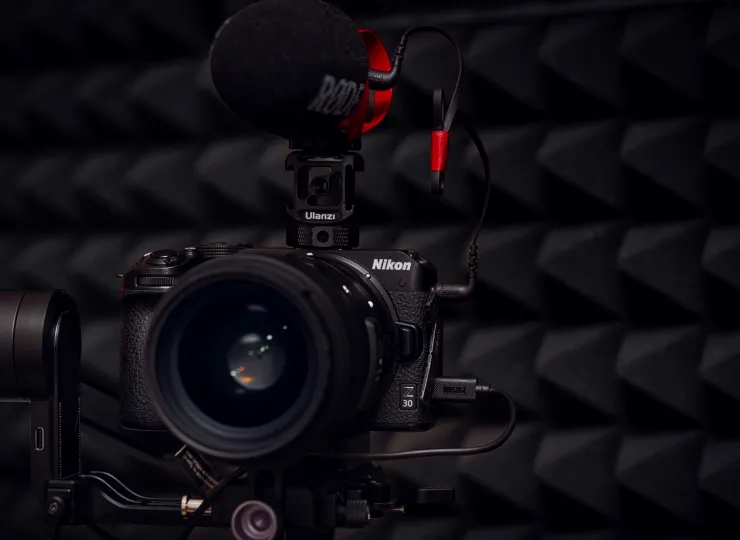
Developing your crew
Choose camera coaching or lighting training when the equipment is fine but operators need steadier hands, quicker resets and a shared way of working.
-
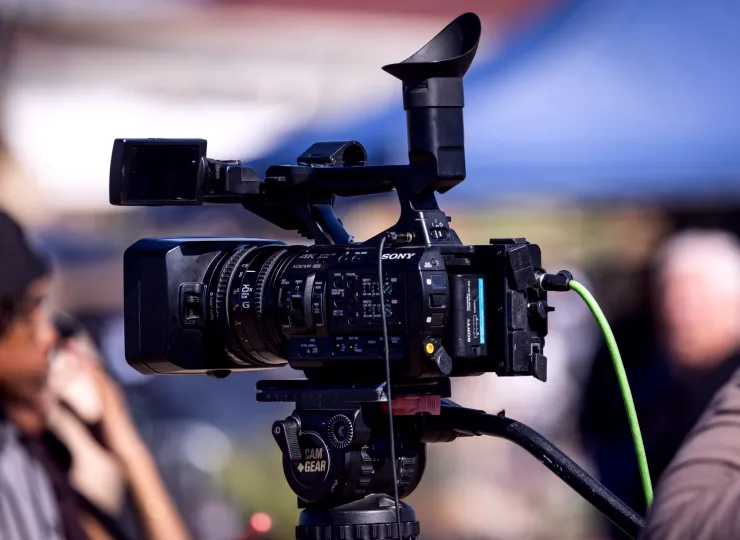
Fixing a live show that struggles
A workflow review suits programmes where handovers slip or talkback is crowded. You receive a written report with changes you can adopt in stages.
Frequently asked questions
These are the questions studio managers and producers ask most often before getting in touch. If yours is not here, the contact page is the quickest way to reach us.
Who do you usually work with?
We work with broadcasters, independent production companies and venues that are building or improving live television capability. Clients range from small news studios with a handful of staff to larger live entertainment sets. Our advice is based on how your crew actually works, not on the size of your budget alone.
Do you come to our studio or work remotely?
Most work is done on site, because cabling, sightlines and room acoustics are hard to judge from a distance. Planning conversations, drafts of lighting plots and report reviews can happen by phone or video. We will say which parts need a visit when we discuss your enquiry.
Can you work around our broadcast schedule?
Yes. Installation, coaching and rehearsal checks are usually planned around your transmission times, often in the quiet hours or on days when the studio is dark. We agree dates with your studio manager in advance and keep disruption to live output as small as we can.
Do you supply the equipment we need?
We advise on what to buy and how to arrange it, and we install and test what you choose. We do not tie our recommendations to a single supplier. You keep control of purchasing, and we write the specification so quotes from suppliers can be compared fairly.
How long does a workflow review take?
A review begins with a conversation about your show, followed by observing a rehearsal or live transmission from the gallery and floor. The written report follows after that. Timing depends on the show and the crew size, and we confirm it in writing before work starts.
Can you train our existing crew rather than replace them?
That is the usual arrangement. Coaching sessions are built around your own cameras, set and rundown, so operators practise on the work they do every day. Lighting and audio colleagues can also pass on rig and desk habits to your staff.
What should we prepare before the first conversation?
It helps to have a rough floor plan, a list of current equipment, a typical rundown and a note of what goes wrong most often. Photographs of the gallery and set are useful too. If you do not have all of this, we can start with what you have.
How do I get a price?
Prices for each service are on the Prices page. For a quotation specific to your studio, send an enquiry through the contact page. We reply with a written quotation, and work begins once you have confirmed it and the invoice arrangements are agreed.
-

Lighting Design
Planning a Lighting Rig for a Small News Desk, Step by Step
A practical walk-through for studio managers: how to plan a news desk lighting layout that looks consistent on camera, stays within your power supply and saves crew time on the day.
-
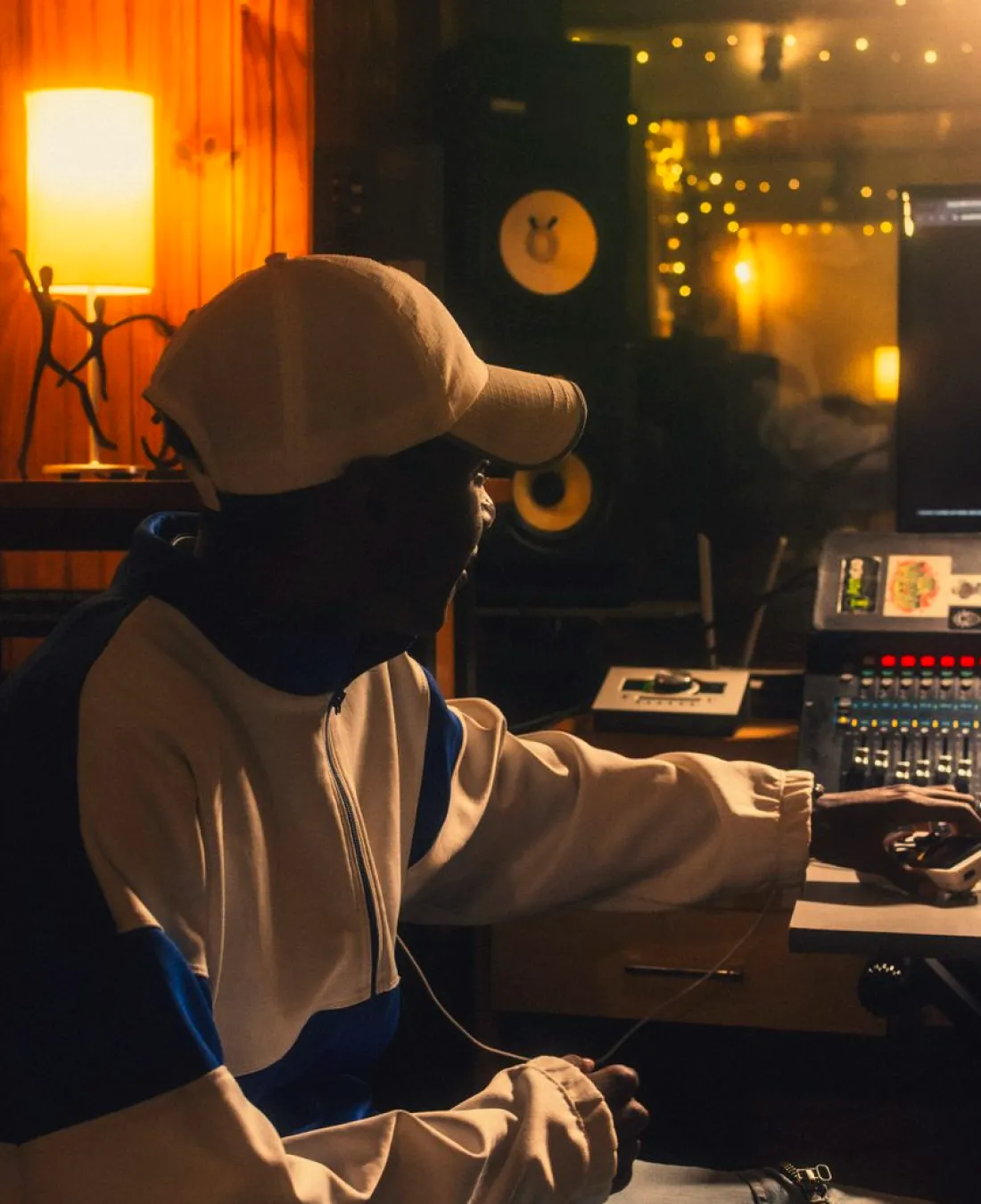
Workflow review
Before You Commission a Live Show Workflow Review: A Checklist
Daniel Okafor lists the questions to settle about your gallery, rundown and crew communication before you ask for a written workflow review, so the report answers what you actually need.
-

Sound
Five audio workflow mistakes that muddy live dialogue
Daniel Okafor walks through five common sound mistakes in live studio programmes, from microphone choice to talkback routing, and the simple habits that keep dialogue clear.