
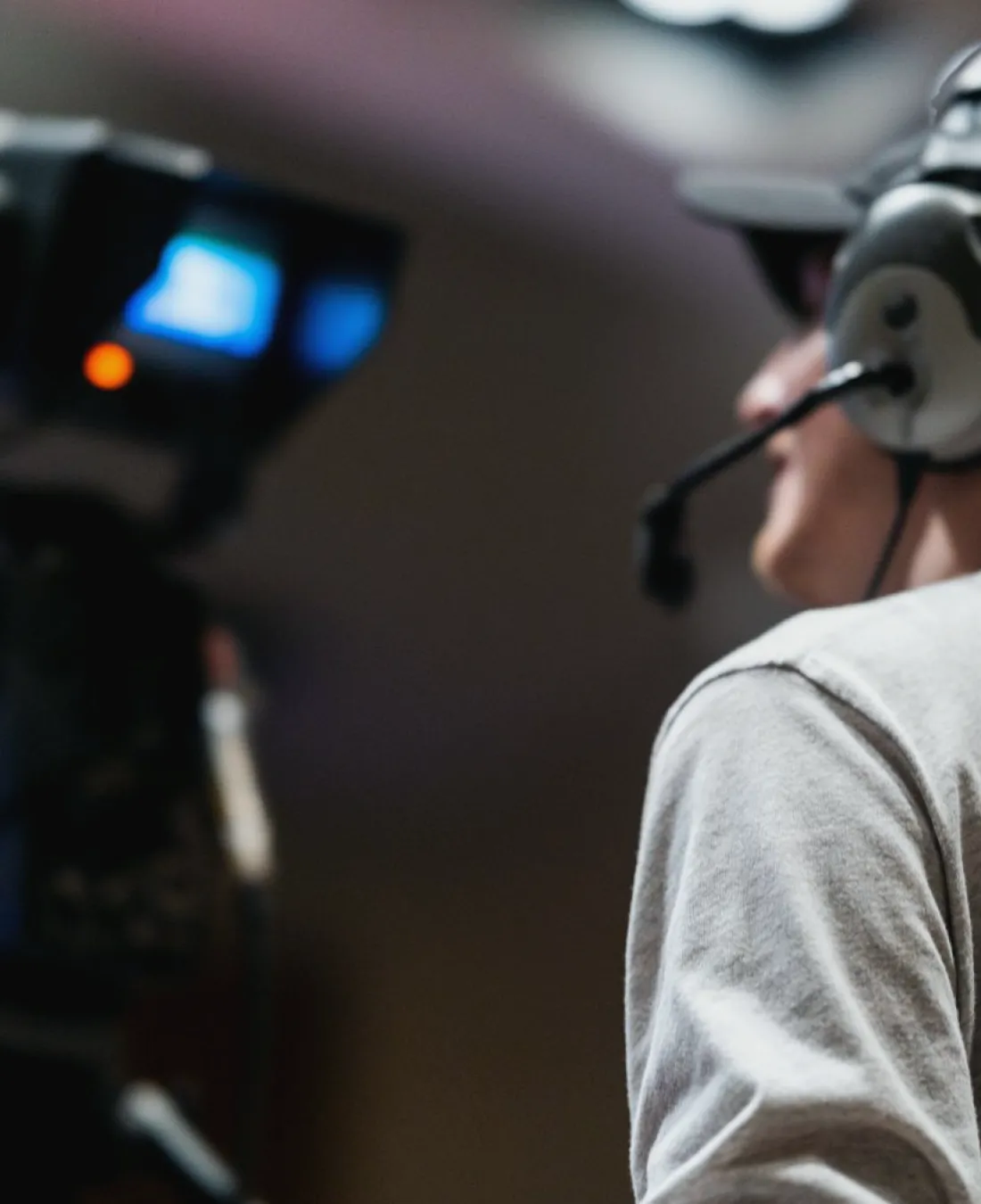
Start with what your crew does on air
Before you contact anyone about coaching, write down what your camera operators are actually asked to do on a normal show. A news studio with two robotic units and one manned pedestal has very different needs from a live entertainment set with four operators, a jib and a handheld. Coaching only helps when it is aimed at the real shots in your rundown, so the first job is a plain description of those shots.
Go through a recent recording or rehearsal with the director and note where shots were late, loose or corrected over talkback. Mark whether the problems were framing, pedestal moves, teleprompter handling or the way the shot call was received. A list of six or seven specific moments is far more useful to a coach than a general feeling that the crew could be sharper, and it lets the session plan be built around your set.
- Number of manned cameras and their positions
- Typical show length and format
- Shot types that are repeated every episode
- Moments where the director has to correct a shot
Be honest about experience levels
Camera operation coaching works best when the group is roughly matched, or when the plan accepts that it is not. Check who on the crew has years of live work, who came from recorded production and who is new to a pedestal altogether. A confident operator may need only a few hours on shot calling, while a newer one may need time on basic framing and headroom before anything live is attempted.
It is worth asking each operator what they feel least sure about. People often name something different from what the director sees, and both views matter. If someone is nervous about teleprompter work or smooth pedestal moves, that is a reasonable thing to build a session around. Coaching goes badly when it is presented as a test, so tell the crew in advance that the aim is to make live shows calmer for everyone in the gallery.
Check the studio, kit and time you can offer
Hands-on sessions need a working studio, and that is often the hardest thing to give up. Work out which days the space is free, whether cameras, pedestals and the teleprompter can be set up without disturbing other work, and whether a presenter or stand-in is available to sit at the desk. Sessions on an empty set teach less than sessions with a person to frame, a script to read and a gallery to call shots from.
Think about crew time as well. Pulling every operator off rota for a full day may not be realistic, so ask whether the coaching can be split into shorter blocks across a few weeks. Short repeated sessions suit pedestal moves, which are a physical habit, while a longer block suits a full run-through with live shot calling. Decide which of those matters more before you commit to a plan.
- Studio availability and set-up time
- Presenter or stand-in for framing practice
- Teleprompter and pedestal access
- Crew rota and cover for absences
Decide who should be in the gallery
Live shot calling involves more than the camera crew. The director, vision mixer and sometimes the floor manager all take part in the exchange of calls, and coaching in isolation can leave habits unchanged once everyone is back in their usual seats. Ask whether the director can join at least part of a session so that wording, timing and tone on talkback are agreed rather than assumed.
It also helps to name one person on your side who will see the work through. That might be a studio manager or a senior operator who can keep notes, repeat exercises in quiet moments and carry the agreed shot calls into rehearsals. Without a person like that, the benefit of a good session tends to fade within a few shows, which is a common and avoidable disappointment.
Agree what a good outcome looks like
Coaching cannot promise a particular result, so it is sensible to describe in advance what you would count as progress. That might be cleaner opening shots, fewer corrections during live links, steadier moves between desk and standing positions, or an operator who can follow a prompter script without losing the frame. Choose two or three such points and write them down before the first session.
Revisit them afterwards in a short conversation with the crew and the director. If a point has improved, note how; if not, decide whether it needs another session, more rehearsal time or a change to the set. This keeps the coaching tied to the programme you actually make, and it gives you something concrete to refer to if you later decide whether further sessions are worth arranging.
- Two or three specific, observable goals
- A short review after the first live show
- A decision on repeat sessions
Questions to ask before you commit
When you speak to a coach, ask how the sessions are structured, how much time is spent behind the camera compared with talking, and what you will receive afterwards. A short written note of what was covered and what to practise is far more useful than a general impression. Ask too whether the plan can be adjusted if the first hour shows the crew needs something different from what was expected.
Finally, check the practical terms: how a quotation is confirmed, what is included in the price, and what happens if a session has to be moved because of a live commitment. Clear answers to these questions are a good sign. Vague answers on scope or cancellation are worth pausing over, however attractive the idea of coaching sounds in the abstract.
A decision about camera coaching rests on a few ordinary facts: what your operators do on air, where the director sees problems, what studio time you can spare and what you would count as progress. Work through the list with your crew, write the answers down, and the conversation with a coach becomes short and specific. If most of the points are clear, you are ready to enquire; if not, they show what to settle first.