
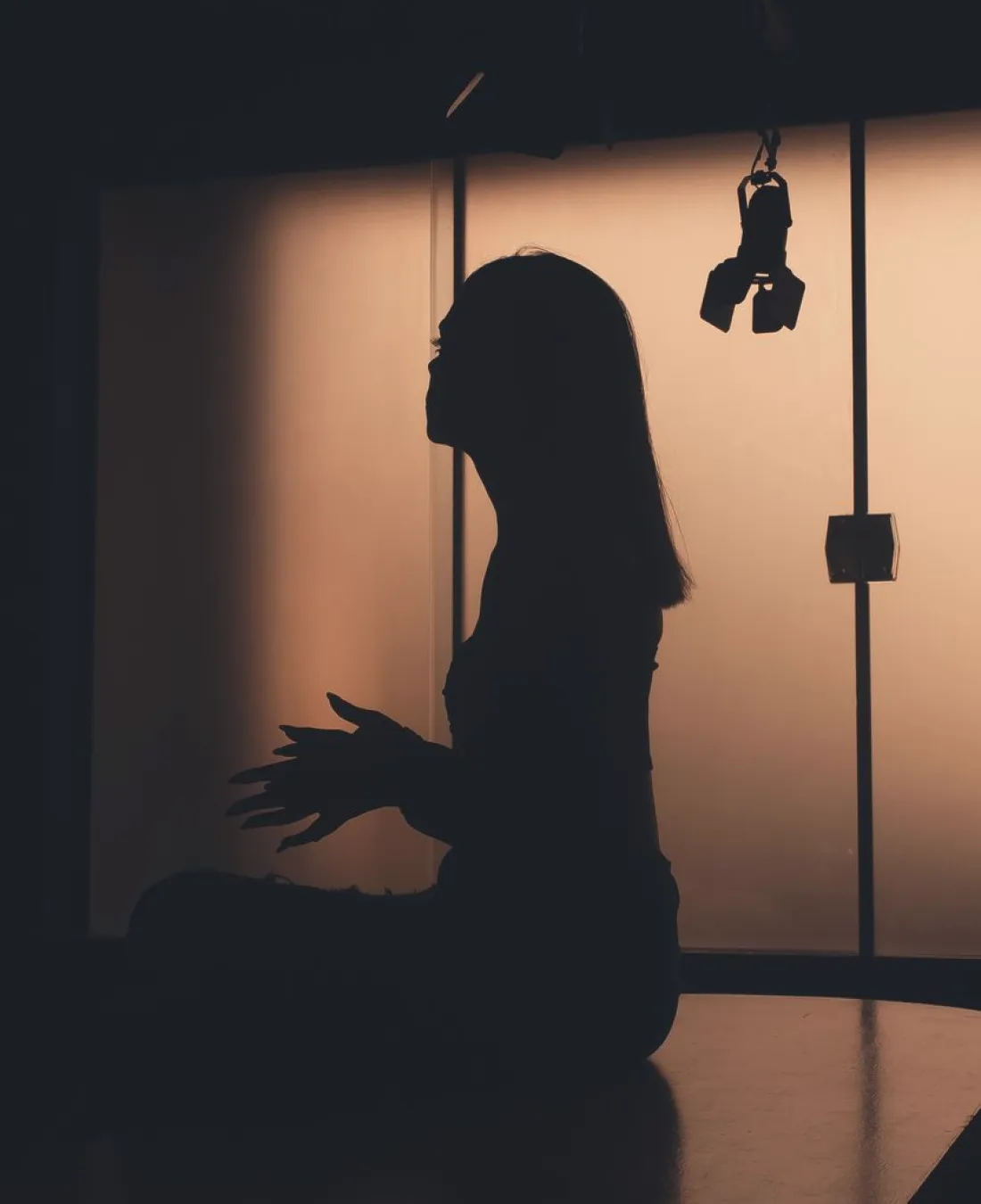
Why autumn changes the way a studio looks
Every year around these weeks, studio managers tell me the same thing: the set looks different on camera and nobody has touched it. The cause is usually outside the building. Daylight that once leaked through a loading door or a high window has gone, so a rig that relied on that spill now has to do all the work itself.
Presenters also arrive in heavier clothing, darker colours and different make-up, and skin tones shift as the weeks cool. A key light balanced in July can look flat or slightly green by late October. None of this means the original plan was wrong. It means the plan needs a seasonal check, in the same way a gallery checks its talkback before a live show.
I would rather you found these changes on a quiet rehearsal afternoon than in the ten minutes before a bulletin.
Check colour temperature before you touch anything else
Start with a camera white balance on the desk, not a guess by eye. If the studio keeps any window or door light in the mix, the balance between that and your fixtures will have moved since summer. Walk the set with a grey card at presenter height and look at the waveform for each camera, noting any that drift from the others.
Mixed sources cause most of the trouble. Older tungsten units, newer LED panels and practical lamps on the set each sit at a slightly different colour, and ageing LEDs can shift a little over a season of heavy use. Pick one reference for the key light and bring the fill and backlight into line with it.
Write the readings down. A short log of values, with the date and the fixture, gives the next person a starting point and makes drift easy to spot.
- Use a grey card at presenter height
- Compare every camera on the same waveform
- Log the readings for the next check
Power and heat when the building is cold
A cold studio behaves differently from a warm one. Dimmer packs and cables carry the same load, but staff turn the heating up or run portable heaters, and the circuits that serve the lighting grid are often shared with them. Before the evenings draw in, ask whoever looks after the building which sockets and breakers sit on which circuit.
Cold also makes the cost of a long rig visible. Lamps that are left on for hours of rehearsal warm the room, which sounds helpful until a fixture trips on thermal protection mid-show. Plan the rehearsal so the full rig is lit for as short a time as the crew can manage.
LED fixtures draw far less than tungsten and give off little heat, so a change of units can ease both the electrical load and the temperature on the desk.
Making the most of crew time on shorter days
Crew time is the scarcest resource in a small studio, and it gets scarcer when early finishes and late starts squeeze the working day. A lighting plan should be judged partly on how long it takes to rig, adjust and strike, not only on how it looks on camera.
Mark the floor and the grid. Fixed positions for the desk, the guest chair and the main stands let a two-person crew reset the set in a fraction of the time. Pre-focused fixtures with labelled barn doors stay close to where they were left.
Where one studio serves a news desk in the morning and an interview set in the afternoon, I draw up two simple presets and a one-page changeover sheet. It saves arguments, and it saves the half hour that disappears whenever someone has to remember how it was done last time.
- Mark floor and grid positions
- Label focused fixtures
- Write a one-page changeover sheet
Faces, clothing and the set in low-key weather
Autumn guests wear darker jackets and knitwear, and dark fabric swallows light and can pull the exposure on faces down. A slightly stronger fill, or a small adjustment to the key's height, usually puts it right without flattening the picture.
Watch reflective items too. Glasses catch a key light at a steeper angle once a presenter sits lower in a winter coat or leans forward, and wet umbrellas and glossy folders brought in from the rain can throw odd highlights. A quick walk-through with a real guest, not a stand-in, shows these problems early.
The set itself deserves a look. Warm practical lamps, wood tones and a little background colour make a desk feel inviting on a grey evening, and they cost very little in power if the background is lit with a few low-output fixtures.
A short list for the next rehearsal
Pick one rehearsal slot in the coming weeks and treat it as the seasonal check. Bring the grey card, the log sheet and whoever knows the building's circuits. Give yourselves an hour with no live pressure and settle colour, exposure and power before anything else.
Then run the rig through the longest programme you expect, including a changeover if the set is shared. Note which fixtures run warm, which cameras drift and which marks have worn off the floor.
If something needs a deeper look, a written lighting plan for the desk or the interview set can be put together from those notes, balancing the look against power and crew time.
- Settle colour and exposure first
- Check circuits and heat with the building team
- Rehearse the longest programme including changeover
Autumn does not call for a new lighting rig. It calls for a careful look at the one you already have, once the daylight, the clothing and the building have changed around it. A single unhurried rehearsal, a grey card and a notebook will settle most of what goes wrong, and leave the crew calm when the live show begins.